Ferdinand Alexander Porsche:
the man who designed the Porsche 911.
Some names don’t need explanation.
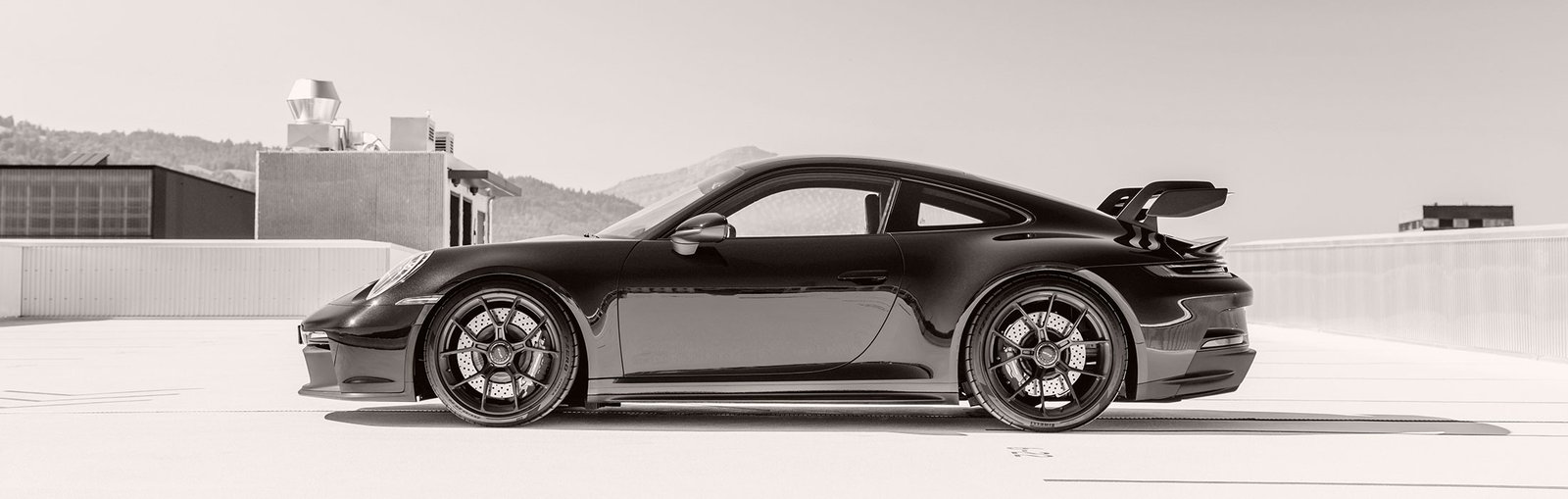
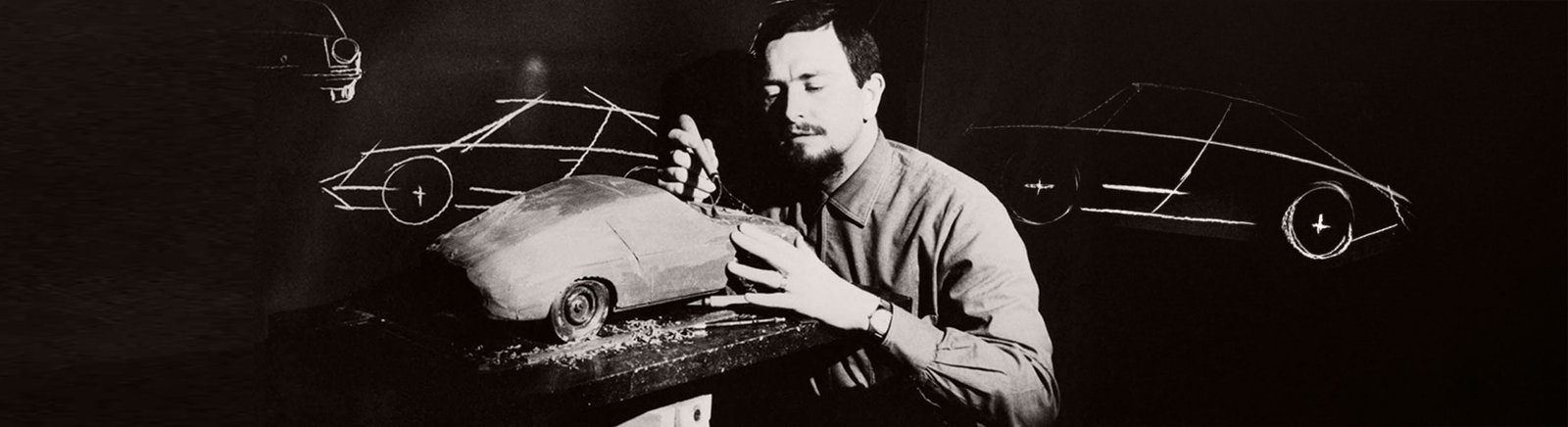
Ferdinand Alexander Porsche — known as Butzi — was not simply the man behind a silhouette. He was the designer who shaped the 911’s soul, defining a set of proportions so precise, so uncompromising, that more than sixty years later they remain untouched.
You can explain the Porsche 911 with numbers if you want.
Power figures. Weight distribution. Aerodynamics.
None of that explains why it became a cultural icon.
The 911 endured because one designer understood purity better than anyone else — and treated it not as an aesthetic choice, but as a discipline.
Purity was not a style for Butzi.
It was a rule.
The 904: the car he loved more than the 911
Let purists debate it if they need to.
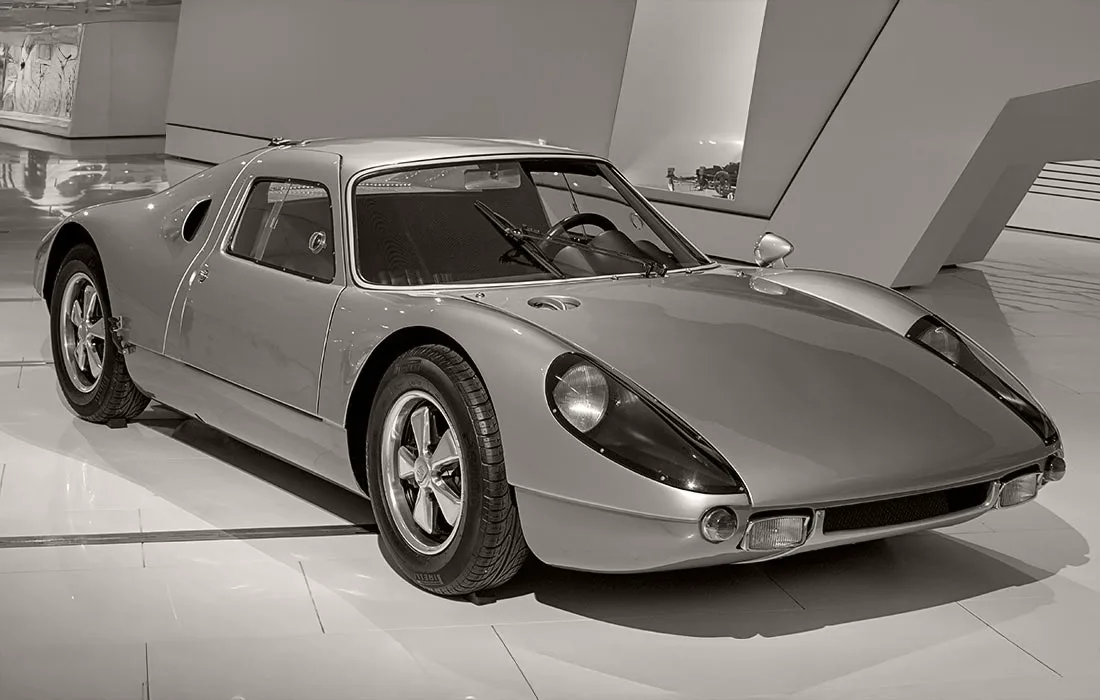
The truth is well documented: the Porsche 904 was Ferdinand Alexander Porsche’s favourite design.
The reason is simple.
The 904 was Butzi without negotiation.
Light, sharp, uncompromised. Every line justified, every surface intentional.
The 911, by contrast, was a conversation — a brilliant one, but still shaped by constraints, requirements and compromises.
And yet, even within those limits, he created the most recognisable automotive form ever drawn.
That alone says everything.
The birth of the 911: nothing epic, everything obsessive
The myth of the lone genius sketching in isolation rarely survives reality.
The 911 was the result of a small team working under a very clear vision — his.
Engineers worried about rear weight.
Designers questioned proportions.
Everyone had an opinion.
But the lines that mattered —
the roof arc,
the rear quarter,
the curve that could not be altered without breaking the whole —
belonged unmistakably to Ferdinand Alexander Porsche.
Not because he insisted loudly.
But because he was right.
The Fuchs wheel: the forged signature
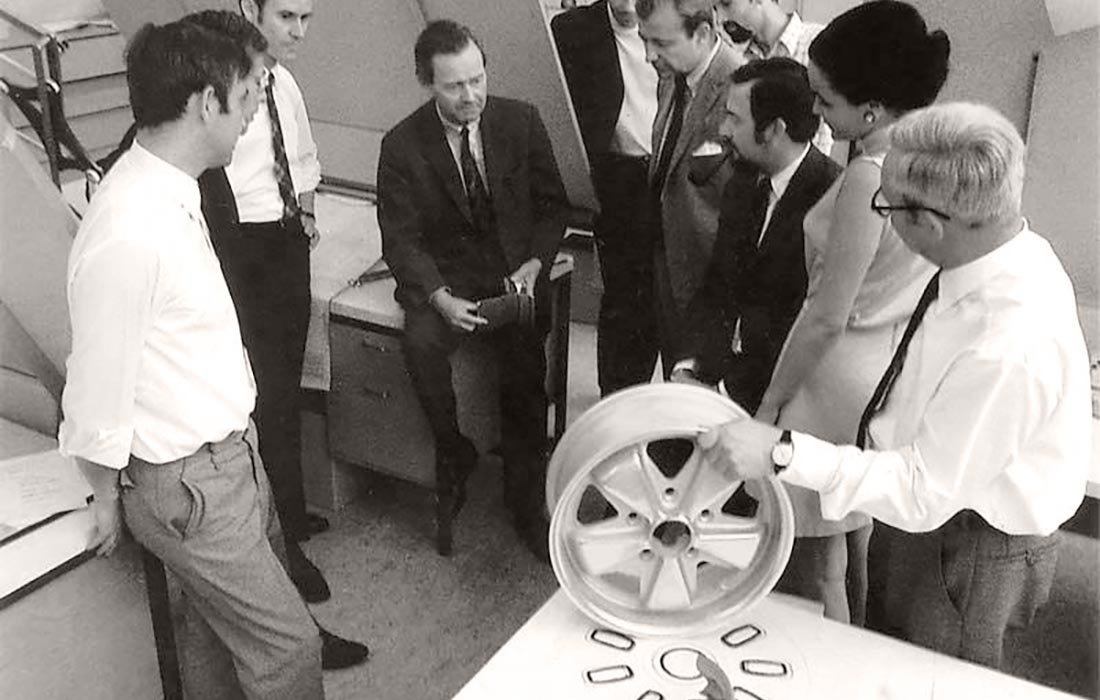
Before becoming an outlaw icon, the Fuchs wheel was a technical leap forward: forged, lightweight, structurally advanced.
And yes, Butzi was involved — not as a solitary author, but as the guardian of its visual integrity.
Because a wheel is never just a wheel.
Not when it becomes part of the car’s identity.
That relationship between performance and form would later define much of Porsche’s visual language — and deserves its own closer examination.
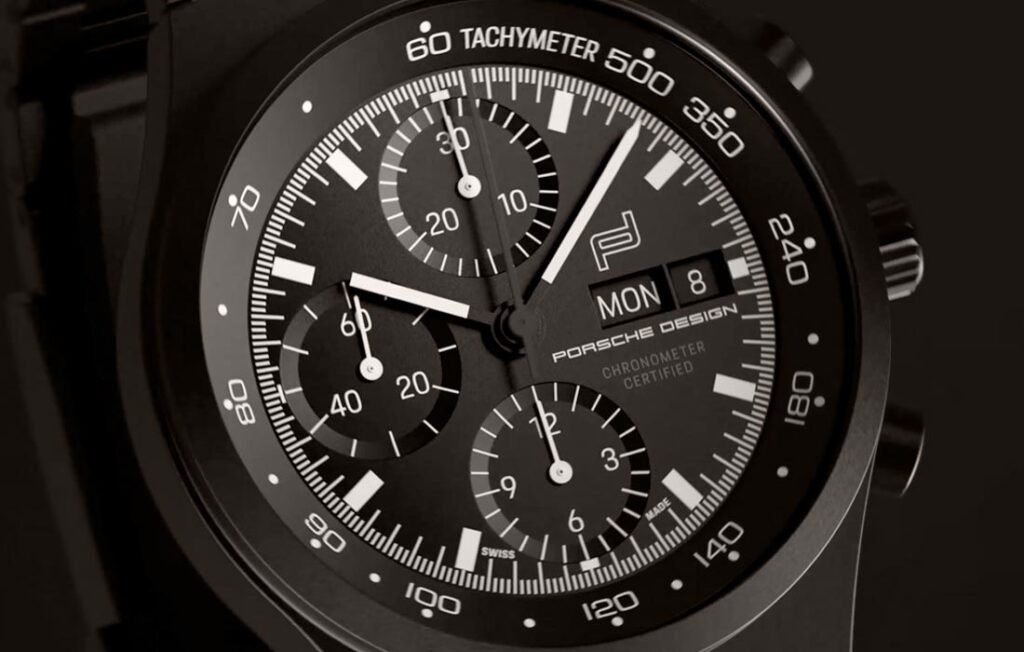
Chronograph I: the Porsche design you wear
In 1972, Ferdinand Alexander Porsche translated the philosophy of the 911 into a different object.
The Chronograph I was the first all-black, matte-finish wristwatch — a direct extension of the 911’s instrument cluster.
Legibility over decoration.
Function over shine.
Clarity over prestige.
It was not a fashion statement.
It was the foundation of Porsche Design.
Many of the design codes now taken for granted in contemporary watchmaking can be traced back to that moment.
A 911 — reduced to the wrist.
Why Butzi’s purity still defines every modern 911
For Ferdinand Alexander Porsche, purity was not minimalism.
It was subtraction with consequence.
Removing everything that did not matter — until removing one more thing would break the whole.
That principle still governs the 911.
Every modern variant — GT3, Turbo S, GTS, Dakar — exists in dialogue with his original rules. Sometimes respectful. Sometimes tense. But always aware.
Other manufacturers can reinvent their icons.
Porsche cannot reinvent the 911.
The proportions are fixed.
The stance is non-negotiable.
The roofline cannot flatten.
The character cannot dilute.
That constraint is his legacy.
Butzi’s legacy
To the outside world, Ferdinand Alexander Porsche is a historical figure.
To those who truly understand the Porsche 911, he is something else entirely.
The author of one of the purest shapes ever drawn.
A designer whose work does not age.
A philosophy that still governs Stuttgart today.
A silhouette turned into a symbol.
A symbol that does not ask to be understood —
only felt.