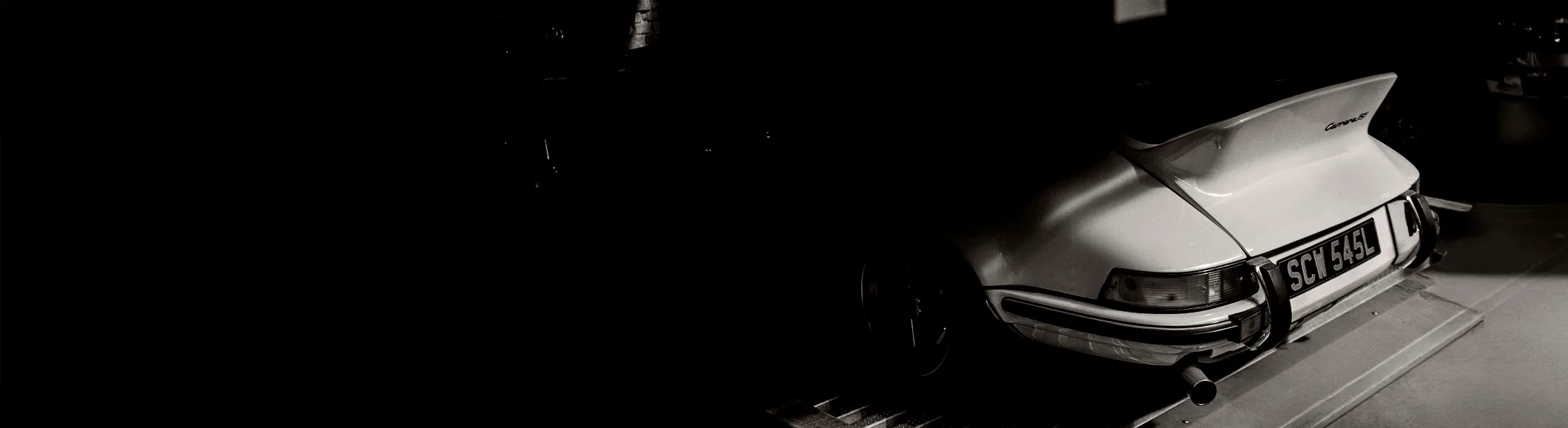
Why limited editions matter — and why most of them mean nothing
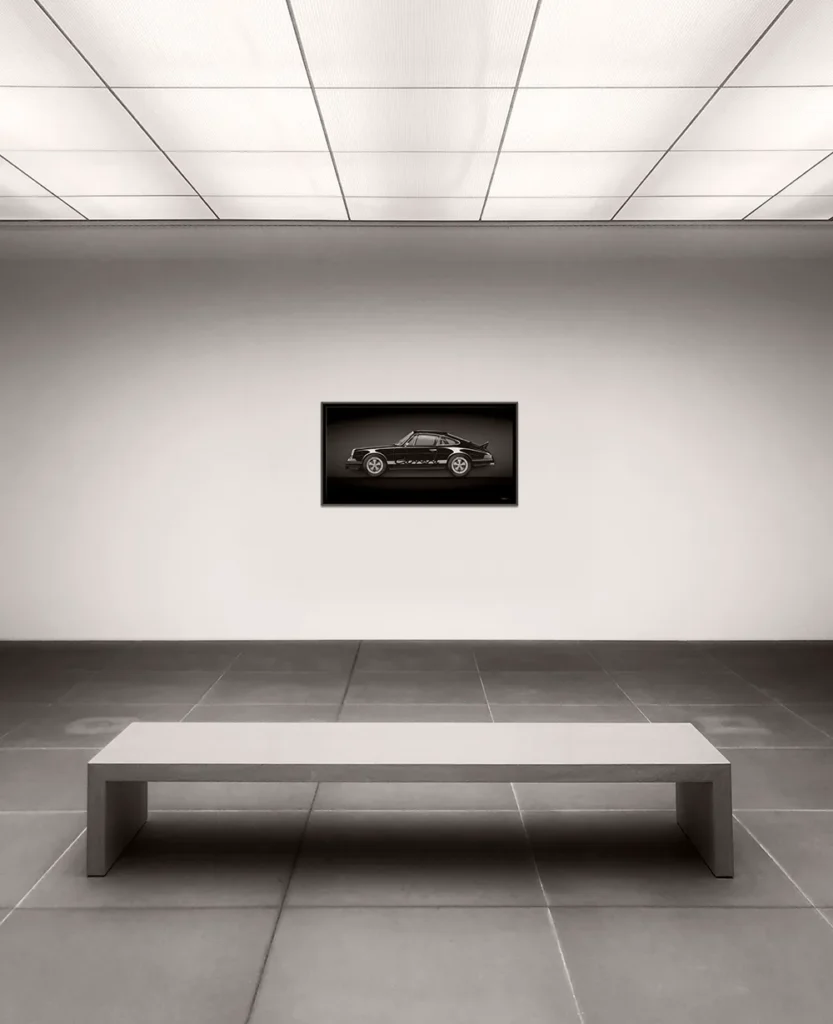
Limited editions are everywhere now.
On prints. On watches. On sneakers. On objects that claim scarcity as if it were a feature you could add at the end.
Most of them mean nothing.
Not because the idea of a limited edition is wrong — but because it has been emptied of intent.
When everything is “limited”, nothing really is.
Scarcity without intention is just noise
A real limited edition does not start with a number.
It starts with a reason.
Why this object should exist.
Why it should stop existing at some point.
Why repetition would weaken it instead of strengthening it.
Most limited editions fail because they answer the wrong question.
They ask how many can we sell instead of how many make sense.
Scarcity, when used as a tactic, becomes transparent very quickly.
And once it does, trust disappears with it.
When limitation actually adds value
There are moments when limiting something is not a strategy, but a necessity.
Some objects lose meaning when repeated too often.
Not because they become common — but because they stop feeling deliberate.
Design icons, cultural artefacts, and emotionally charged objects share a fragile quality:
they rely on context.
Once removed from that context, they flatten.
This is why true limited editions feel calm rather than urgent.
They do not shout “last chance”.
They simply state a boundary — and stand by it.
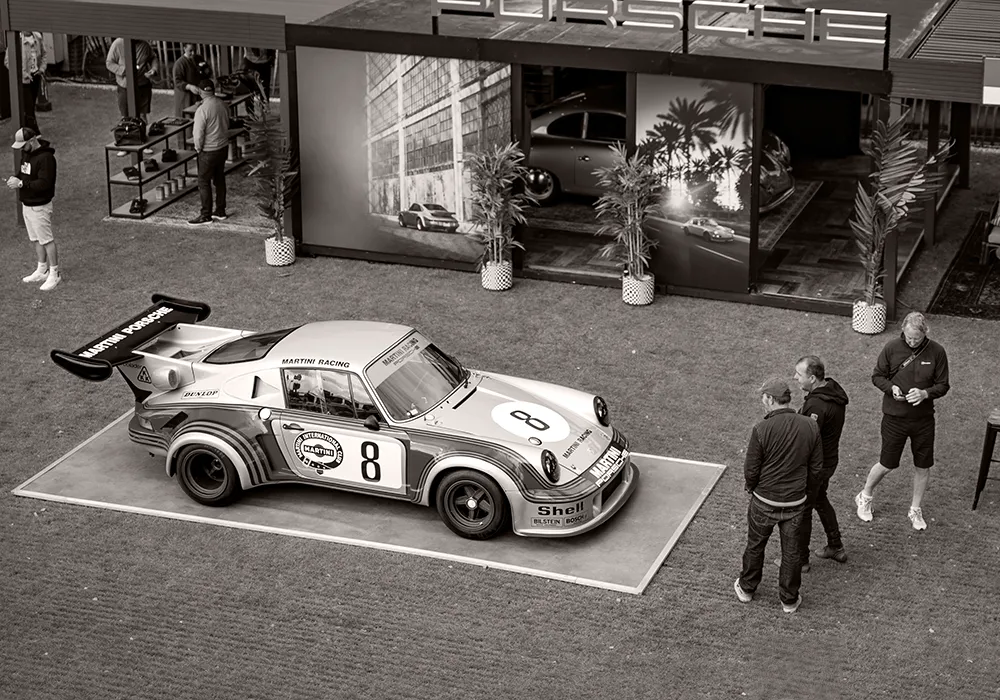
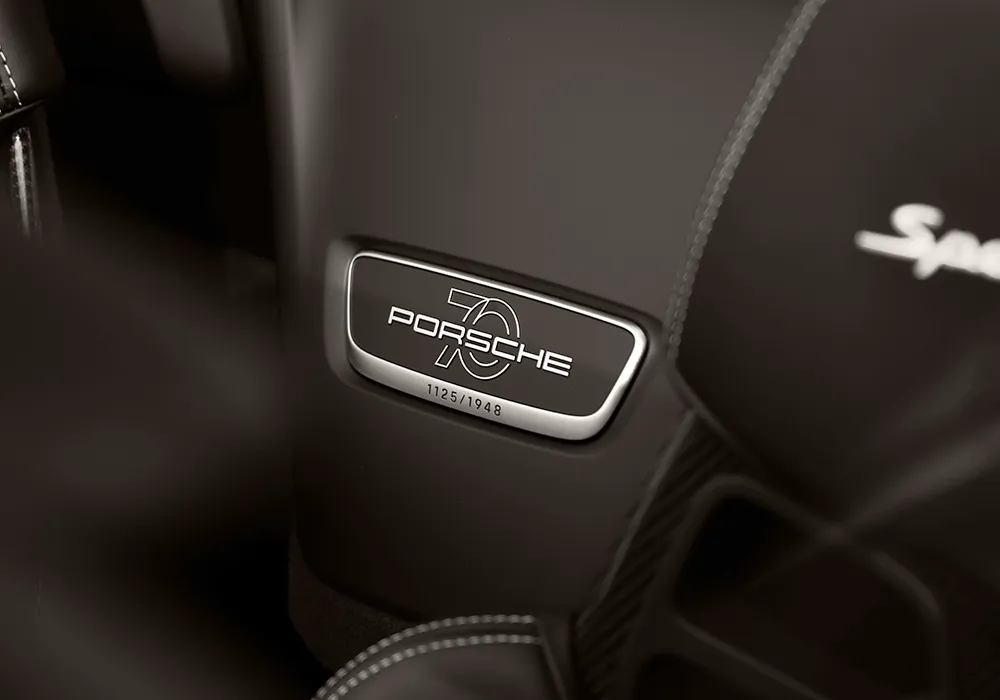
The difference between rarity and relevance
Rarity alone is easy to manufacture.
Relevance is not.
An object can be rare and still irrelevant.
It can exist in small numbers and still say nothing.
What gives a limited edition weight is not how few exist —
but how clearly it belongs to a specific culture, moment, or way of thinking.
That relevance cannot be retrofitted.
It has to be embedded from the beginning.
Why the Porsche 911 understands this instinctively
The Porsche 911 has always operated under an unspoken rule: continuity matters more than novelty.
Generations evolve, but they do not erase what came before.
Special variants exist, but they do not dilute the core.
When Porsche creates a limited version of the 911, it is rarely about exclusivity alone.
It is about marking something — a philosophy, a boundary, a specific interpretation.
That restraint is precisely why those editions hold meaning over time.
And why others, louder and more numerous, fade quickly.
Limited editions as a form of respect
Limiting an object can be an act of respect.
Respect for the idea behind it, the people who understand it and the culture it belongs to.
Repetition, in those cases, is not generosity.
It is erosion.
A line drawn once is stronger than a line constantly redrawn.
Why most limited editions fail
Most limited editions fail for predictable reasons:
They are created after demand appears.
They are extended once they sell out.
They are repeated in new colours, sizes, formats.
The original intent gets diluted.
The number becomes arbitrary.
And the edition stops meaning anything at all.
At that point, the object may still sell — but it no longer carries conviction.
And conviction is the only thing that makes a limited edition worth caring about.
A slower idea of value
In Europe, value has traditionally been associated with restraint.
Not abundance.
Not spectacle.
Not excess.
The objects that last are rarely the ones that shouted the loudest at launch.
They are the ones that knew when to stop.
Limited editions, when done properly, belong to that slower understanding of value.
They are not about urgency.
They are about alignment.
When limitation becomes a statement
A meaningful limited edition does not ask to be understood by everyone.
It accepts that some people will miss it.
That others will arrive too late.
That repetition would make it weaker.
That acceptance is not arrogance.
It is clarity.
And clarity is rare.
Limited editions still matter.
But only when limitation is a decision — not a tactic.
Some ideas only work if they stop at the right moment.
Not because demand disappears, but because continuing would weaken what made them honest in the first place.
This is where we draw the line.
Not to create urgency, but to protect meaning.
Because the most honest limited editions are not designed to scale.
They are designed to remain intact.